

Hardstands in Armadale, WA
Heavy-duty surfaces for machinery, storage and outdoor workspaces.
10+ Years Experience
Experienced team
Quality Workmanship
High standards guaranteed
Local & Reliable
Family based business
Free Quotes
No obligation estimates
HARDSTANDS, CAR PARKS & SERVICE ROADS
Hardstand Construction Services
Hardstands are an integral part of many industrial, commercial and agricultural sites. These robust surfaces provide stable platforms for heavy machinery, storage areas and outdoor workspaces. Below we explain what they are, where they are used, how they are built, and how long they last.
Jarrahdale Surfacing builds hardstands throughout Armadale, WA, designed around the loads each site actually carries. From machinery yards and freight areas through to farm hardstands and commercial storage, we size every surface to its job.
Our approach is straightforward. Every hardstand starts with the loads it has to bear, because depth, base and material all follow from that rather than the other way round.

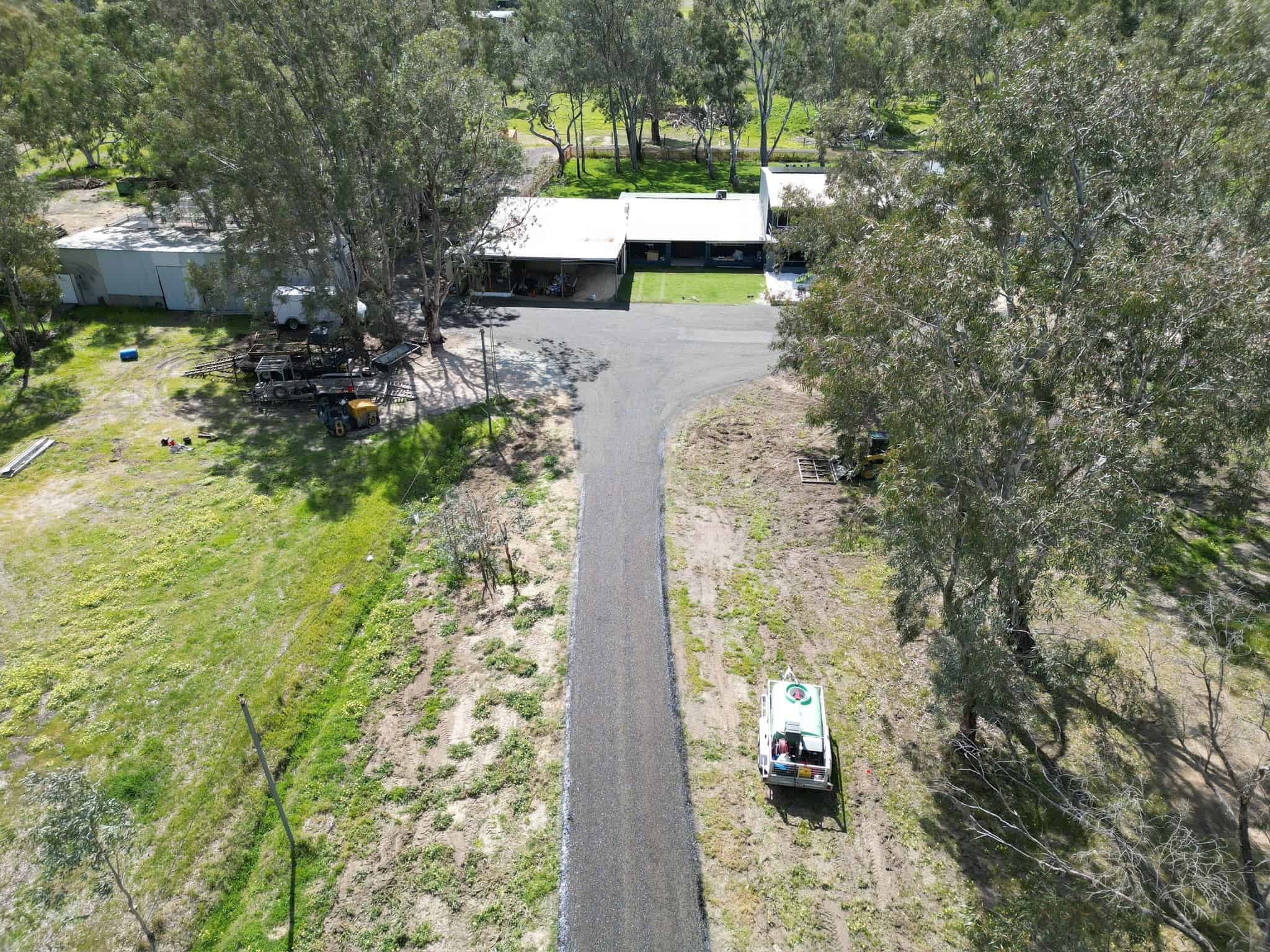

What Hardstands Are
Hardstands, or hardstandings, are flat, durable surfaces built to withstand heavy loads and provide a stable platform for equipment, vehicles, containers and materials. Built well, a hardstand in Armadale can last anywhere from 20 to 40 years or more, and sealing or crack repair extends that further.
A properly built hardstand offers several important advantages:
SURFACING SOLUTIONS
Where Hardstands Are Used in Armadale
Hardstands have versatile applications and can be found across many settings throughout Armadale and the surrounding areas of Western Australia. These are the most common:
Industrial Facilities
Manufacturing plants, warehouses and factories use hardstands to store and move heavy machinery and equipment. These surfaces take concentrated point loads, so base depth and compaction are specified to match the plant using them.
Logistics & Freight Yards
Distribution centres and freight yards rely on hardstands to support containers, trailers and cargo handling. Constant turning under load is what tests these surfaces, and they are built accordingly.
Construction Sites
Construction companies use hardstands to create stable working areas for heavy machinery and material storage, keeping plant out of the mud and giving crane and delivery vehicles a dependable platform.
Agriculture
Farms and agricultural operations use hardstands to store, load and maintain equipment and vehicles. A sealed hardstand keeps machinery out of soft ground through wet seasons and makes washdown and maintenance far easier.
Commercial Properties
Commercial premises use hardstands for outdoor storage, parking and display areas. These surfaces balance load-bearing capacity with a tidy finish that suits a customer-facing site.
Machinery & Container Storage
Areas set aside for standing containers, bulk materials or parked plant need a surface that will not rut or deform under long-term static load. We build these to carry weight that sits in one place for months.
How Hardstands Are Built
Building a hardstand is a sequence of stages, and the load-bearing capacity comes from what goes in beneath the surface rather than the surface itself.
Each stage contributes to a platform that stays flat and stable under sustained weight, which is what separates a hardstand from an ordinary car park.
The stages of a hardstand build are:
Rather than surfacing over ground that will move under load, we establish the formation and base first, because that is what carries the weight.
Choosing the Right Surface Material
Concrete offers exceptional strength and durability where point loads are extreme, while asphalt gives a smooth, cost-effective surface that is quicker to lay and easier to repair. Recycled asphalt adds a sustainable option that reuses reclaimed material and reduces waste.
Hardstands are primarily functional surfaces, so the choice is usually driven by load and budget rather than appearance. During our survey we will explain which suits your site and why.
HOW WE WORK
Our Hardstand Process
A structured process allows us to assess each site accurately and build every hardstand to a consistently high standard.
Site Preparation
The site is cleared, and the excavation or grading needed to create a level, free-draining formation is carried out before anything is laid.
Base Material
A base layer of crushed rock or aggregate is laid and compacted to provide the stability and load-bearing capacity the finished hardstand depends on.
Surface Material
The surface is built in concrete or asphalt depending on the requirements. Concrete offers exceptional strength, while asphalt provides a smooth, cost-effective option.
Compaction
Heavy machinery compacts and flattens the surface so that it can withstand the loads it was designed for without rutting or deforming.
Curing and Finishing
Concrete hardstands are cured so the material sets and hardens properly, then any markings, signage or safety features are added before handover.
Why Choose Jarrahdale Surfacing?
Clients throughout Armadale choose us because we focus on quality workmanship, careful site assessment, and honest advice about what a surface actually needs.
We pride ourselves on:
Whether your project is a small farm hardstand or a full industrial yard, we approach every job with the same care and attention to detail.
JARRAHDALE SURFACING
Arrange a Hardstand in Armadale
If you need a new hardstand for machinery, storage or freight handling, or your existing yard has begun to rut, crack or hold water, we can build you a surface that carries the load.
At Jarrahdale Surfacing, we provide careful site assessment, practical recommendations and high-quality hardstand construction sized to the demands of each site.
Contact Jarrahdale Surfacing today to arrange your FREE site survey and discuss the most suitable surfacing solution for your property.
